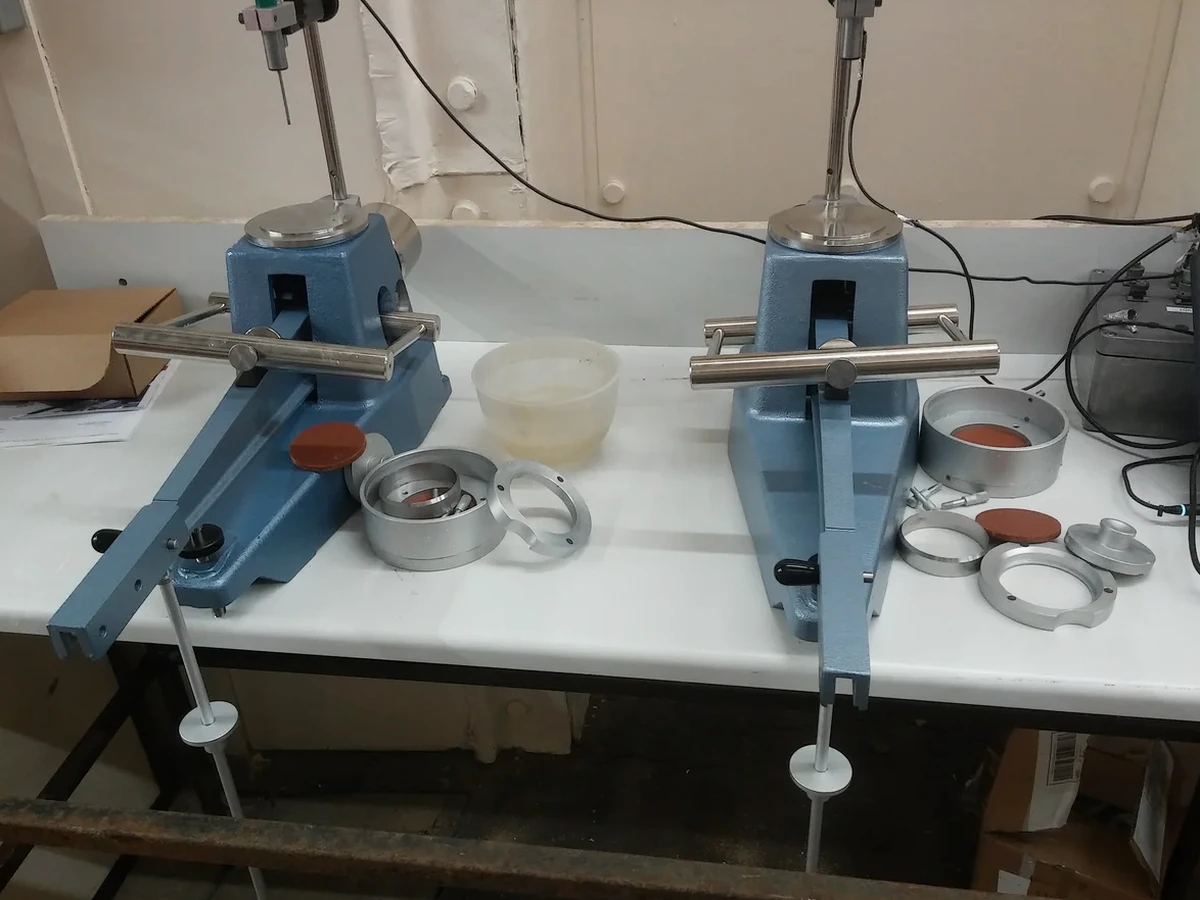
Laboratory testing forms the backbone of reliable geotechnical engineering in Blenheim, providing the quantitative data needed to transform site investigation findings into safe, constructible designs. This category encompasses the full spectrum of physical and mechanical tests performed on soil and rock samples recovered from boreholes and test pits across the region. From basic classification to advanced strength and consolidation testing, the laboratory's role is to define the engineering properties that govern foundation performance, earthwork suitability, and long-term ground behaviour. In a district characterised by variable alluvial deposits and a high water table, rigorous lab analysis is not just a contractual requirement but a fundamental tool for managing the risks associated with liquefaction, settlement, and bearing capacity failure.
Blenheim's geological setting is dominated by the Wairau Plain, a deep basin of Quaternary alluvial gravels, sands, and silts deposited by the Wairau River system. These sediments exhibit significant spatial variability, with clean, well-draining gravels transitioning abruptly into loose, saturated silty sands and soft estuarine clays. This complexity means that field identification alone is insufficient; precise grain size analysis (sieve + hydrometer) is essential to accurately classify these materials and predict their drainage and liquefaction potential. Similarly, the presence of fine-grained soils across the plain necessitates the determination of Atterberg limits to quantify their plasticity and shrink-swell potential, characteristics that directly influence foundation design and pavement performance on the region's expansive clay sites.
All laboratory testing conducted for geotechnical purposes in Blenheim must comply with the New Zealand Geotechnical Society (NZGS) guidelines and the testing standards mandated under the Building Code and NZS 4404:2010 for land development. Tests are performed in accordance with NZGS-accepted methods, primarily drawn from NZS 4402 (Methods of testing soils for civil engineering purposes), which aligns closely with international ASTM and AS standards. For critical infrastructure and post-cyclone recovery projects, adherence to these standards is rigorously audited. The MBIE guidance on earthquake-prone buildings further underscores the need for defensible lab data, particularly when conducting cyclic triaxial tests or other specialised analyses to assess liquefaction triggering under the seismic conditions typical of the Marlborough region.
The demand for comprehensive laboratory testing in Blenheim is driven by a diverse range of projects. Viticultural developments require testing for access roads, heavy tank foundations, and wastewater disposal fields, where soil permeability and reactivity are key concerns. Residential subdivisions on the urban fringe necessitate detailed analysis of fill materials and natural ground to satisfy council consenting requirements for foundations and stormwater soakage. Civil infrastructure projects, including the maintenance of State Highway 1 and flood protection works along the Wairau River, rely on laboratory-characterised aggregate and soil parameters for pavement design and stopbank stability assessments. Furthermore, any commercial or industrial build on the deep sediments of the central plain triggers a mandatory investigation into deep-seated settlement and liquefaction, demanding a suite of consolidation and strength tests.
The Wairau Plain comprises highly variable river deposits, including loose sands and silts prone to liquefaction and settlement. Visual inspection cannot reliably quantify these risks. Laboratory tests like grain size analysis and consolidation testing provide the precise engineering parameters needed to design foundations that can withstand seismic events and long-term ground movement, ensuring compliance with the NZ Building Code.
Testing must follow NZS 4402 methods, which are the primary standards for soil testing in New Zealand. These are referenced by NZS 4404:2010 for land development and are aligned with NZGS guidelines. For projects requiring Building Consent, the lab data must be produced under a quality system that meets the requirements of the local territorial authority and MBIE guidance.
Lab results determine the bearing capacity and settlement characteristics of the soil, dictating whether standard slab-on-grade, waffle pod, or specifically engineered pile foundations are required. They also quantify soil reactivity (shrink-swell potential), which is critical for preventing slab cracking in the expansive clay pockets found in parts of the Blenheim area.
The process begins with a geotechnical engineer extracting disturbed or undisturbed samples during a site investigation. These samples are transported in sealed containers to the laboratory, maintaining their in-situ moisture content where required. The lab then performs the specified suite of tests, issues a factual report of the results, and the engineer uses this data to produce the final interpretive design report.