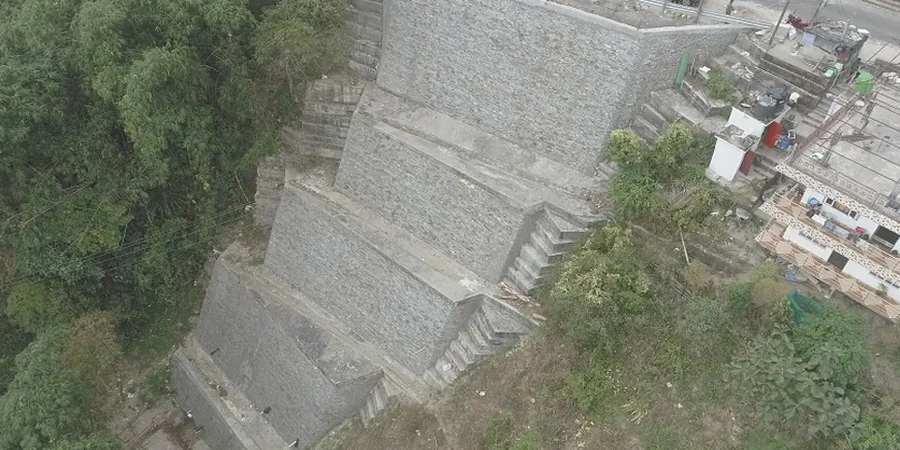
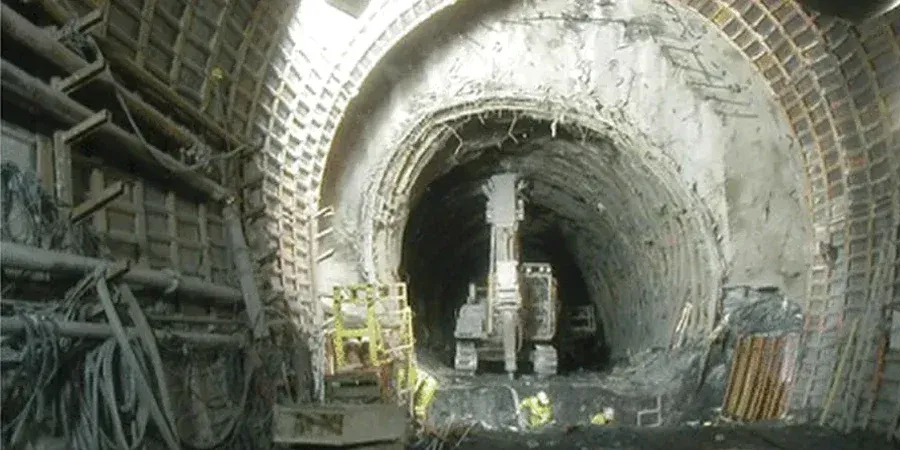
NZS 3404 and the NZGS soil mechanics guidelines frame every triaxial programme we run for Blenheim projects, but the real driver is the ground itself. The Wairau Plain packs interbedded silts and gravels that drain at vastly different rates, and the surrounding hill slopes bring stiff loess-derived soils into the picture — materials that stand up well until water gets behind them. A standard borehole log tells you what is there; a well-targeted triaxial test tells you how it will behave when loaded, saturated, and sheared. We routinely pair consolidated-undrained runs with Atterberg limits to catch the plasticity threshold where Blenheim silts flip from stable to contractive, and when a project sits near the Wairau Fault traces we add a liquefaction screening pass because strength loss under cyclic demand is a conversation that needs to happen early, not during construction.
Blenheim silts can lose over 60 % of their undrained shear strength once pore pressure equalises — back-pressure saturation is not optional here.