GEOTECHNICAL ENGINEERING1
BLENHEIM
HomeIn-Situ TestingField permeability test (Lefranc/Lugeon)

Field Permeability Testing (Lefranc & Lugeon) in Blenheim

Knowledgeable. Thorough. Resourceful.

LEARN MORE

Blenheim sits on the deep alluvial gravels of the Wairau Plain, where groundwater moves fast at 10 to 30 metres below surface. The 2016 Kaikoura earthquake remobilised sediments across the region, altering secondary permeability in fractured rock at the valley margins. For any excavation below the water table here, a desk study isn't enough. We run Lefranc tests in soil and Lugeon tests in rock to measure hydraulic conductivity directly. The numbers we get feed straight into dewatering pump sizing and cutoff wall design. On Taylor Pass Road projects and central Blenheim basements, we've seen actual permeability values vary by two orders of magnitude within 50 metres horizontally. Pre-construction in-situ testing is the only way to avoid a flooded site.

A Lugeon value of 3 doesn't mean the rock needs grouting — it means the joint set is tight and your dewatering design works.
Our service areas

Methodology and scope

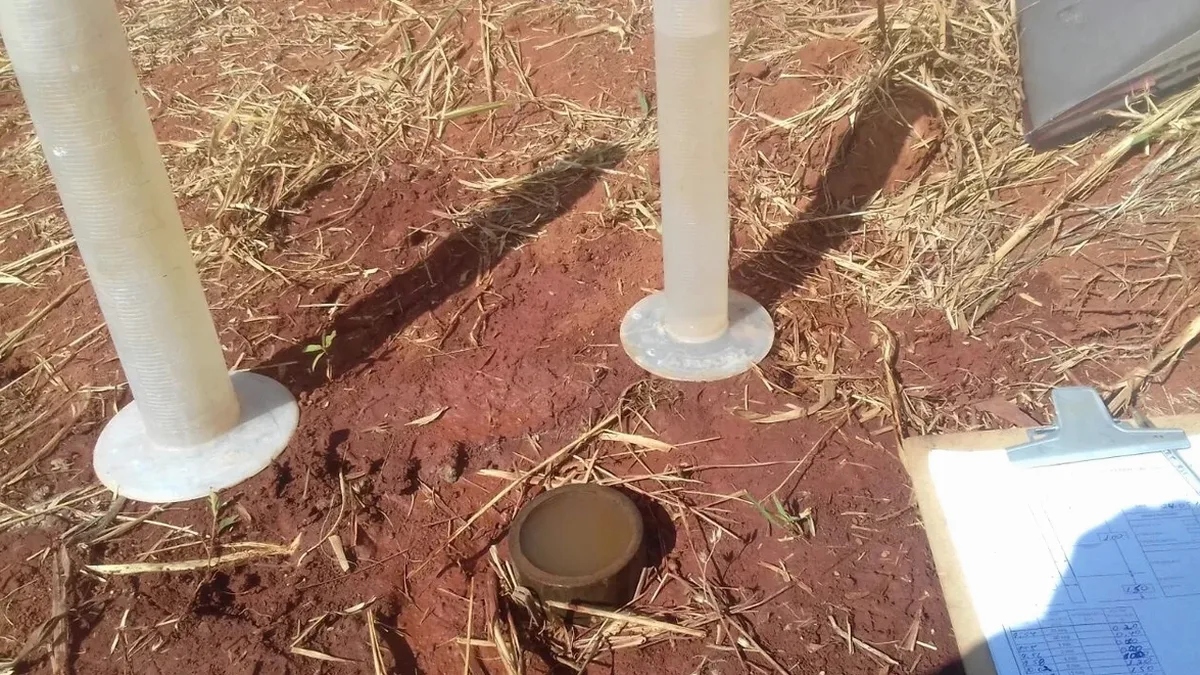
The common mistake we see in Blenheim is contractors relying on grain-size correlations for permeability. The Wairau gravels contain silt lenses and open-framework zones that lab permeability simply cannot replicate. A grain-size analysis tells you about gradation — it cannot predict the hydraulic behaviour of a heterogeneous deposit under field stress. Lefranc testing at constant or falling head in a borehole captures the mass permeability, including preferential flow paths. In the Wither Hills, where greywacke basement is shallow, we use the Lugeon test with packers isolating 3- to 5-metre intervals. Five pressure stages per interval reveal flow regime — laminar, turbulent, dilation, or washout. NZGS guidelines and Houlsby's interpretation criteria govern every test we run. The result is a K-value in metres per second you can trust for your groundwater control plan.
Field Permeability Testing (Lefranc & Lugeon) in Blenheim
Technical reference — Blenheim

Local considerations

The Wairau Aquifer is one of Marlborough's most productive groundwater systems, with transmissivity values exceeding 5,000 m²/day in the main channel deposits. A dewatering system designed without field permeability data will fail — either undersized and the excavation floods, or oversized and you're pumping millions of litres unnecessarily, triggering resource consent issues with Marlborough District Council. In the southern Blenheim industrial zone, we've encountered artesian conditions in gravels confined by overbank silts. Lefranc testing identified the confined head before excavation started. In the Wither Hills greywacke, Lugeon values above 10 indicate open joints that may require grouting before foundation excavation. The Kaikoura earthquake opened fractures in rock across the region — pre-2016 permeability data is unreliable. Field testing is the only way to characterise current conditions.

Need a geotechnical assessment?

Reply within 24h.

Email: contact@geotechnical-engineering1.co

Applicable standards

AS/NZS ISO 14686:2003 — Hydraulic properties of rock and soil, NZGS Field Description of Soil and Rock guideline, Houlsby (1976) — Lugeon test interpretation criteria, NZS 3404 for structural implications of groundwater loads

Technical parameters

ParameterTypical value
Test methodLefranc (constant/falling head), Lugeon (packer test)
Soil K range measurable1 × 10⁻⁷ to 1 × 10⁻³ m/s
Rock K range measurable1 × 10⁻⁸ to 1 × 10⁻⁴ m/s (1 to 100 Lugeon units)
Test interval (Lugeon)3.0 to 5.0 m typically, isolated with pneumatic packers
Pressure stages (Lugeon)5 stages per interval (low-medium-high-medium-low)
Borehole diameterMinimum 76 mm for Lefranc; NQ or HQ for Lugeon in rock
Test standardAS/NZS ISO 14686, Houlsby (1976) interpretation

Frequently asked questions

What does a Lefranc/Lugeon test cost in Blenheim?

Field permeability testing in Blenheim ranges from NZ$950 to NZ$1,860 depending on test depth, number of intervals, and whether we're testing soil or rock. A single Lefranc test in a shallow borehole falls at the lower end. A full Lugeon profile with five pressure stages per interval across multiple 5-metre zones in rock costs more. We provide a fixed quote after reviewing your borehole logs and project groundwater requirements.

How long does a field permeability test take?

A single Lefranc test takes 45 to 90 minutes once the borehole is prepared. A Lugeon test with five pressure stages per interval takes about 60 to 90 minutes per 5-metre zone. For a typical Blenheim project with three test intervals in rock, expect one full day of field work plus reporting.

What's the difference between Lefranc and Lugeon?

Lefranc measures hydraulic conductivity in soil using a simple cavity in the borehole. Lugeon measures water take in rock using pneumatic packers to isolate specific fracture zones. The Lugeon unit is litres per minute per metre of test interval at 1 MPa pressure. One Lugeon roughly equals 1 × 10⁻⁷ m/s, but the relationship isn't linear — the pressure-stage behaviour matters more than the number.

Do I need a pump test or is a packer test enough?

A Lefranc or Lugeon test gives you point-scale hydraulic conductivity. For large Blenheim excavations in the Wairau Aquifer, we often recommend combining packer tests with a pumping test to capture the aquifer-scale response. Packer tests identify vertical variation in K. A pump test gives you transmissivity and storage. We advise on the right combination for your project's groundwater risk profile.

Location and service area

We serve projects across Blenheim and surrounding areas. More info.

View larger map