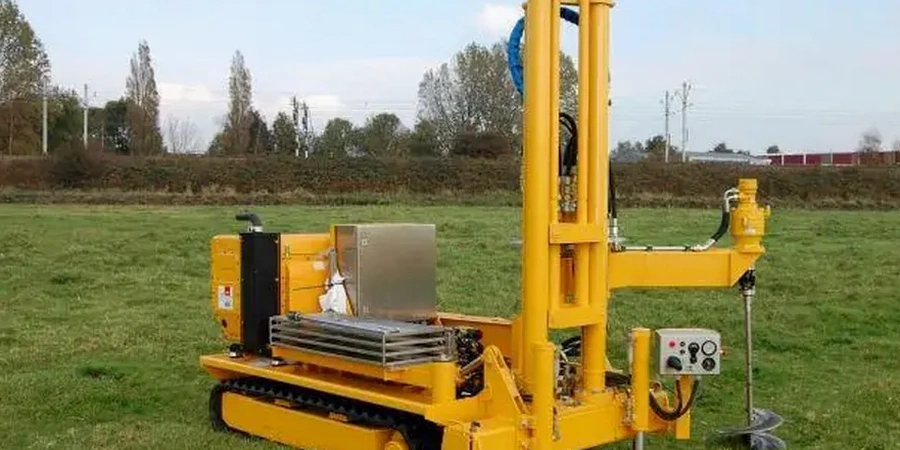
The Wairau Plain presents a challenging canvas for any geotechnical investigation. Blenheim sits on deep alluvial gravels and silts, deposited over millennia by braided rivers descending from the Richmond Range. What makes this region unique is the combination of high water tables and variable interbedded layers. A standard borehole log misses the subtle transitions between loose silts and dense gravels. That is where the Cone Penetration Test (CPT) changes the game. Instead of extracting disturbed samples, the CPT pushes a calibrated cone through the subsurface at a constant rate, recording tip resistance, sleeve friction, and dynamic pore pressure simultaneously. For a Blenheim project, this continuous profile reveals exactly where a thin clay seam might compromise a shallow footing or where a liquefiable layer sits beneath a compact crust. We often combine CPT data with liquefaction analysis to satisfy Tasman District and Marlborough District Council consent requirements without extensive drilling delays.
A CPT trace in Blenheim reveals more about liquefaction susceptibility and settlement potential in one morning than a full week of standard drilling with SPT.